It recently occurred to me: isn’t it strange how the majority of TV period dramas are scored with a soundtrack appropriate for – or at least alluding to – the music of the era? It’s a little like saying that UK films set in the ’90s should always be accompanied by Brit-pop.
A standard example of what you’d usually expect would be last year’s Wives And Daughters, set in the 1830s: orchestral music with the vague outline of a Mozart clarinet concerto. Nothing much has changed since the cult-inducing Pride and Prejudice in 1995.
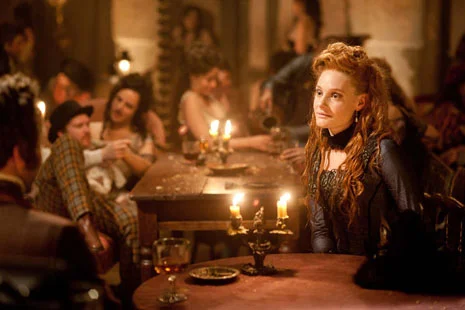
Composer Cristobal Tapia de Veer has, thankfully, broken the mold entirely with his music for the BBC’s The Crimson Petal And The White, an adaptation of Michel Faber’s dark tale of Sugar, a prostitute in Victorian London, and the sexual politics surrounding her progression from St Giles brothel worker to governess at a Chepstow Villas town house.
Abstract instrumentals with unintelligible vocal sounds – reminiscent of an avant-garde indie record – weave in and out of the episodes. You really feel as if you’re experiencing, first-hand, the characters’ unsettled anguish, an effect undoubtedly aided by the brilliant sound mixing of Tim Barker. A reference to music of the period can only be found in the end-title theme: a crude, inverted “oom-pah-pah” that conjures Victorian music hall and all its implied suggestiveness, used to comedic extent in Andrew Davies’ Tipping The Velvet. That aside, it’s pretty much Portis/Radiohead all the way.
As its mood seems to reflect the underlying theme of her simmering hatred for the men who use her, you’d assume that the soundtrack is ‘written’ from Sugar’s point of view. In one scene, Sugar waits alone in a fashionable tea room for her benefactor to arrive. Her paranoia of gossip and stares from those around translates to a terrible, rumbling and unashamedly electronic bass which, as one Guardian online reader commented, wouldn’t be out of place in a Lynch film. When Mr Rackham arrives and she relaxes, the sound dissipates.
It seems that scoring period dramas without the constraints of context helps a great deal in eliciting audience acclaim. For example, Dario Marianelli’s Oscar-winning score for Atonement – straddling romantic piano concerto and modern-day action thriller soundtrack, with imaginatively eerie use of typewriter as percussion – shaped the film as a much more contemporary piece than it might otherwise have been. Similarly, I remember being astounded at the effect of Jonny Greenwood’s music for There Will Be Blood.
With Tapia de Veer’s music having contributed so much to the delicious darkness of this series, we can only wonder “what took us so long?”