Excess is defined as an amount of something that is more than necessary, permitted, or desirable.
On a recent US road trip I marvelled (as always) at the complete and utter abandonment of “necessary”, and the ever-expanding nature of “permitted” and “desirable”.

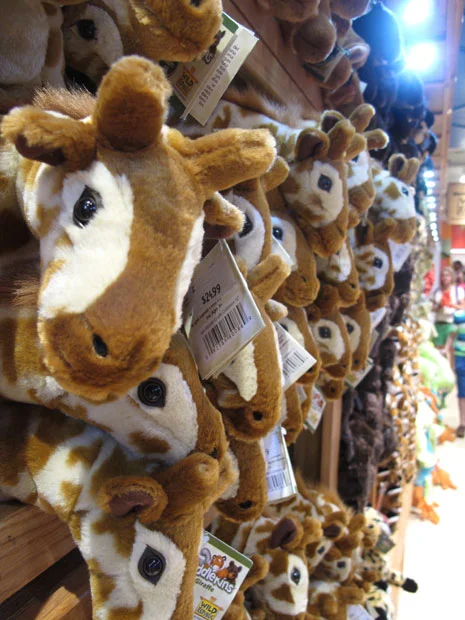
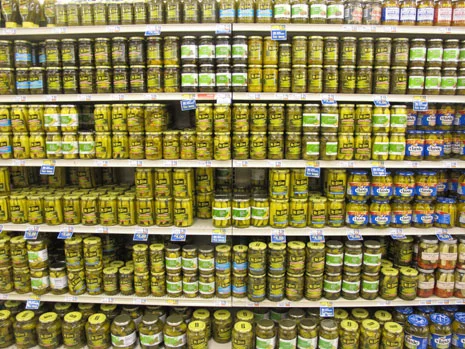


If you’re not used to it, having so much choice in every purchase decision is kind of incredible. I wandered around Walmart for hours, taking in the inexhaustible categories of everything.
This is something that Malcolm Gladwell talks about in Choice, happiness and spaghetti sauce: how Howard Moskowitz helped the food industry to understand that people don’t know what they want. About horizontal segmentation, about how there’s no “good” or “bad” mustard, just different types of mustard to suit different types of people. Democratizing the way people thought about taste, and embracing – through product variety – the diversity of human beings. Which I guess means that in the UK we are less embracing of diversity? Or at least that we’re just starting to catch up?
It would be interesting to look at how this affects national psyches. Does having exactly what we want all the time make us better people? To what extent has the obesity epidemic in the US been caused by the important of choice outweighing the dangers of excess?